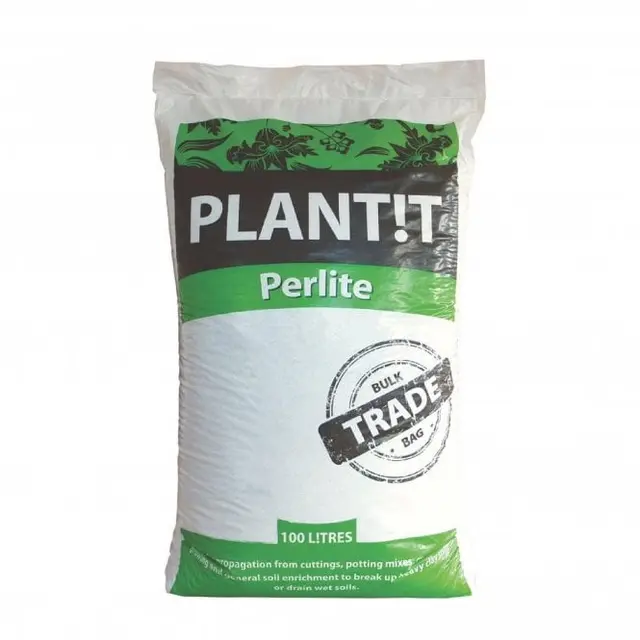
 In Stock
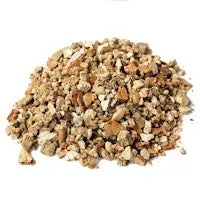
Perlite
£31.46£34.95Save £3.49
In stock
Available from our Bristol shop
This item is too big for our parcel service, so we don't sell it for delivery on the website. Buy it in the shop, or contact us for a delivery quote.
In stock now: ·
Description
Perlite is a highly absorbent expanded volcanic glass and works well as both a media additive to improve aeration, and as a growing media in its own right.
Perlite does not become soggy and its aerated structure ensures plenty of oxygen gets to the root zone. As with other inorganic substrates, perlite is free from disease and insects and insulates well against temperature fluctuations.
Although Perlite does not have the surface area of Vermiculite and is therefore not as good at retaining water, it also does not compact as much either, which means the two make for a popular 50/50 mix.
Perlite is inorganic, inert, and sterile.
***Please note we only ship the 100l bags to mainland UK addresses***
Key facts
| Type | Expanded volcanic glass |
|---|---|
| Use as | An additive to open up soil or coco, or a growing medium in its own right |
| Properties | Inorganic, inert and sterile; does not go soggy or compact |
| Bag sizes | 10 litres and 100 litres |
| Delivery | 100 litre bags to UK mainland addresses only |
| Brand | PLANT!T |
| Sizes | 10l, 100l |
| Category | Soil Amendments |
How to use
Mix perlite through soil or coco to let more air reach the roots, or use it on its own as a growing medium. A 50/50 mix of perlite and vermiculite is popular: the vermiculite holds the water, the perlite keeps the mix open.
Questions
What is the difference between perlite and vermiculite?
Perlite holds less water than vermiculite but does not compact as much, so it keeps a mix airy. Vermiculite holds more water. The two are often mixed 50/50.
Does perlite feed the plant?
No. It is inert and sterile: it adds air and drainage, not nutrients.
Growers’ guides
- Perlite vs Vermiculite: What They Are and When to Use EachWhat perlite and vermiculite are, how they differ, which to use for seeds, cuttings, soil and coco, and the soils and mixes we sell with perlite in them.
- Root Rot (Pythium): How to Spot, Fix and Prevent ItWhat root rot (pythium) looks like, what causes brown, slimy roots in hydroponics, soil and coco, how to prevent it and how to fix it.
- Why Are My Plant Leaves Turning Yellow? Causes and FixesWhy plant leaves turn yellow or burn, from tomatoes to houseplants: watering, feed, pH, light, heat, pests or a deficiency, and what to check first.