 Pre-Order
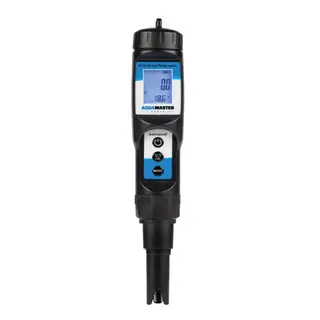
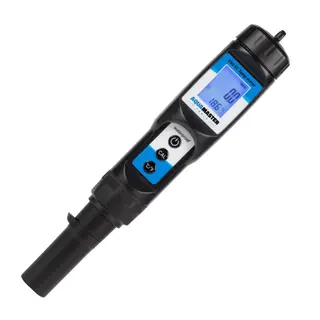
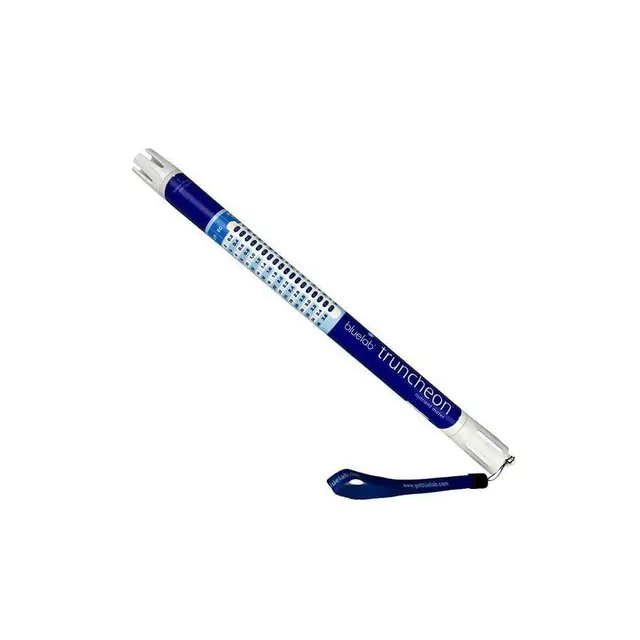
BlueLab Truncheon
£85.46£94.95Save £9.49
Pre-order – we’ll dispatch when it arrives
Available from our Bristol shop
This item is too big for our parcel service, so we don't sell it for delivery on the website. Buy it in the shop, or contact us for a delivery quote.
Description
Sturdy, reliable nutrient meters from Bluelab Hydroponics in New Zealand (formerly NZ Hydroponics).
The Bluelab CF Truncheon measures EC, CF and TDS, is temperature compensated and completely waterproof. These meters tend to go on forever, just make sure they're checked in Conductivity Standard and cleaned at least once a month otherwise they'll under-read.
To make caring for these meters easier Bluelab now sell cleaning kits - highly recommended for keeping your meters in the best possible condition.
Key facts
| Type | Nutrient (conductivity) meter |
|---|---|
| Measures | EC, CF and TDS |
| Temperature compensation | Yes |
| Build | Completely waterproof |
| Maker | Bluelab, New Zealand (formerly NZ Hydroponics) |
| Brand | Bluelab |
| Maker's part number | 95 |
| Barcode | 9421024920012 |
| Product code | 2206 |
| Category | Nutrient Management |
How to use
Dip the end of the Truncheon into your mixed nutrient solution and read the strength.
- Check it in conductivity standard regularly. It cannot be calibrated as such, but the standard shows whether it is still reading correctly.
- Clean the sensor at least once a month, or it will under-read.
For pH, pair it with a Bluelab pH Pen. Our pH and EC meters guide explains EC and what strength to aim for.
Questions
Can I calibrate a Bluelab Truncheon?
Not as such. Dipping it in conductivity standard shows whether it is still reading correctly. If it is not, it needs cleaning.
Why is my Truncheon reading low?
It most likely needs cleaning. Clean it at least once a month, or it will under-read.
Does it measure pH?
No. It measures EC, CF and TDS. Use a pH pen alongside it.
Growers’ guides
- Why Are My Plant Leaves Turning Yellow? Causes and FixesWhy plant leaves turn yellow or burn, from tomatoes to houseplants: watering, feed, pH, light, heat, pests or a deficiency, and what to check first.
- Reverse Osmosis (RO) Water for Growing: Do You Need a Filter?What reverse osmosis (RO) water is, why growers use it on hard tap water, the RO filters we sell, what to add back, and when you can do without one.
- Cal-Mag Guide: Calcium and Magnesium Deficiency in PlantsWhat cal-mag is, who needs it, how to tell calcium, magnesium, nitrogen and iron deficiency apart, and how the cal-mag products we sell compare.